


-

Add: HeBei ShengShi HongBang Cellulose Technology CO.,LTD.
-

Email
13180486930@163.com -

CONTACT US
+86 13180486930

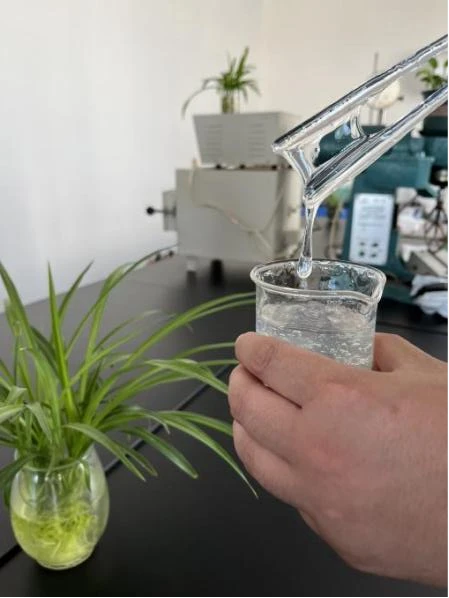


In the realm of pharmaceuticals, HPMC stands for Hydroxypropyl Methylcellulose, a compound indispensable to the formulation processes within the industry. Renowned for its multifaceted applications, HPMC is primarily utilized as an excipient — a substance formulated alongside the active ingredient of a medication. Its role extends beyond mere filler, showcasing an impressive array of functionalities that facilitate product development, ensure quality, and enhance therapeutic effectiveness. Born from cellulose, the most abundant organic polymer on Earth, HPMC emerges through a sophisticated chemical modification process. This modification bestows upon it unique properties such as water solubility, high viscosity, and a non-toxic nature. These characteristics make HPMC a critical ingredient in a diverse array of pharmaceutical products, from tablets and capsules to ophthalmic solutions and topical applications. One of the key benefits of HPMC in tablet formulation is its function as a disintegrant. In the human body, tablets must break down into smaller particles to assure the bioavailability of the drug. HPMC facilitates this process . It swells upon contact with water, helping the tablet to disintegrate promptly, speeding up the release and absorption of the active pharmaceutical ingredient (API). This efficiency enhances the drug’s effectiveness and reliability, a crucial factor in patient satisfaction and trust in pharmaceutical products. Additionally, HPMC acts as a controlled-release agent. In sustained release formulations, HPMC matrices regulate the rate at which the API is dispensed into the system, providing a consistent therapeutic effect over an extended period. This not only maximizes the efficacy of the medication but also improves patient compliance by reducing the frequency of doses required per day. In capsule production, HPMC is celebrated as a vegan alternative to gelatin. Increasingly, consumers are demanding plant-based options in their medicinal products, and HPMC serves this niche perfectly. It forms the backbone of non-animal-based capsules, ensuring that users adhering to vegan lifestyles or with dietary restrictions have access to safe and compliant pharmaceutical options. hpmc full form in pharma Beyond oral medications, HPMC's significance extends to topical pharmaceuticals. Its thickening and stabilizing attributes are particularly beneficial in creams and gels, ensuring the even distribution of the active substances across the applied surface area. In eye drops, HPMC's mucoadhesive properties prolong the retention time of the drops on the ocular surface, maximizing therapeutic contact time and enhancing patient comfort. Backed by comprehensive testing and approval from health regulatory bodies worldwide, HPMC is acknowledged as a safe and effective compound. Preclinical trials consistently affirm its biocompatibility and non-toxic nature, key attributes that bolster its standing as a preferred excipient in the pharmaceutical industry. Industry experts consistently highlight HPMC's versatility and reliability. Dr. Elaine Baxter, a leading pharmaceutical scientist, notes, The adaptability of HPMC in responding to varied formulation needs is unparalleled. It allows for innovation in drug delivery systems, paving the way for more personalized and effective therapies. As the pharmaceutical landscape evolves towards personalized medicine, the importance of excipients like HPMC is amplified. It plays a crucial role not only in the development of current oral, ophthalmic, and topical therapies but also blazes the trail for future innovations in drug delivery technologies. Researchers are actively exploring its potential in developing nanoparticles and 3D-printed medications, which could revolutionize how we perceive and administer treatments. In conclusion, HPMC's full form — Hydroxypropyl Methylcellulose — signifies much more than its name suggests. It embodies innovation in pharmaceutical formulation, providing expertise and reliability that underscore the efficacy and safety of countless medicinal products. Its diverse applications furnish the pharmaceutical industry with a tool that enhances product development, meets evolving consumer demands, and ultimately, manifests in therapeutic trustworthiness and authority.
- 40000tons

Production
- 20+years

Experience
- 5000+㎡

Acreage

-
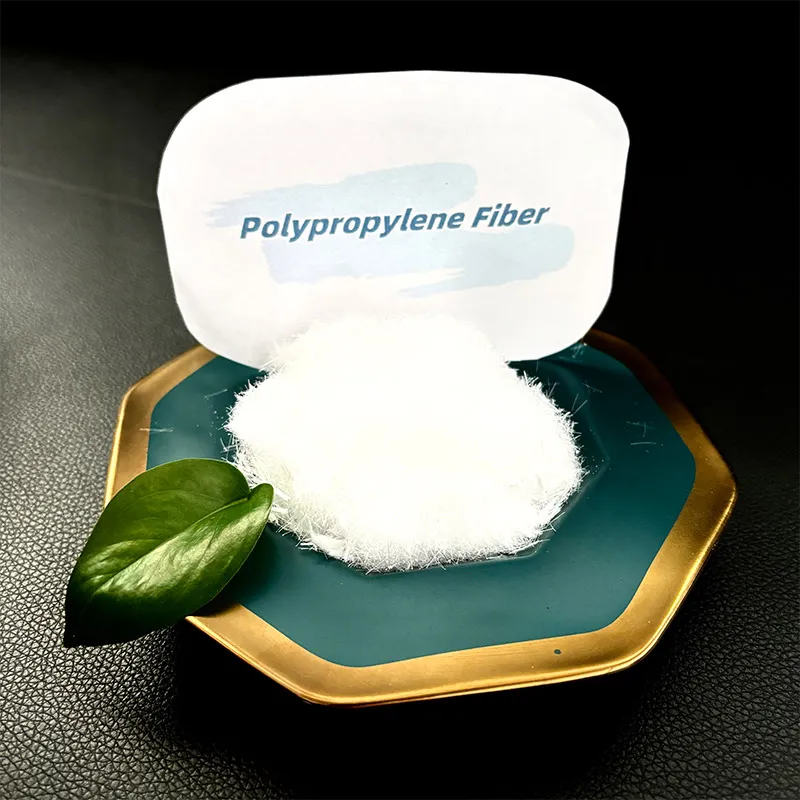
The Cost of Polypropylene Fiber An Overview Polypropylene fiber, derived from the polymerization of propylene monomers, is a synthetic material that has been gaining traction in various industries due to its unique properties and cost-effectiveness. As the demand for durable and versatile materials rises, so does interest in understanding the cost implications associated with polypropylene fiber. This article aims to explore the factors affecting the cost of polypropylene fiber, its applications, and its overall economic impact. Understanding Polypropylene Fiber Polypropylene is one of the most widely used plastics in the world. It is recognized for its lightweight nature, chemical resistance, moisture-wicking capabilities, and structural durability. These characteristics make it an excellent choice for a variety of applications, including textiles, automotive components, and packaging materials. The resulting fiber is soft, resistant to staining, and can be produced in a variety of colors, further enhancing its usability in consumer products. Factors Influencing the Cost 1. Raw Material Prices The primary factor determining the cost of polypropylene fiber is the price of propylene, the primary raw material used in its production. Fluctuations in oil prices significantly impact the cost of propylene, as it is derived from fossil fuels. As global oil prices rise or fall, so too does the cost of polypropylene fiber. 2. Production Technology The method of production also affects costs. Advances in manufacturing technologies can streamline production processes and reduce costs. For instance, the implementation of more efficient machinery or environmentally friendly production methods can yield lower operational costs, which may be passed on to consumers. 3. Supply and Demand Like any commodity, the cost of polypropylene fiber is subject to the laws of supply and demand. In periods of high demand—such as during the surge in production of protective equipment during the COVID-19 pandemic—prices may increase sharply. Conversely, surplus production or a decline in demand can lead to lower prices. costo de fibra de polipropileno 4. Geopolitical Factors Political stability in oil-producing regions can affect the supply and price of propylene. Trade tariffs, sanctions, or conflicts can disrupt supply chains, leading to increased material costs, which in turn influence the cost of polypropylene fiber. 5. Market Competition The competitiveness of the polypropylene market also plays a vital role. The entry of new suppliers can drive prices down, while monopolistic conditions can lead to higher prices. The global nature of the fiber market means that competition from manufacturers in different regions can also affect local pricing. Applications of Polypropylene Fiber The versatility of polypropylene fiber allows for its use in numerous applications. In the textile industry, it is common in the production of carpets, upholstery, and outdoor fabrics due to its resistance to moisture and mildew. The automotive sector utilizes polypropylene fiber for interior components, as it is lightweight and aids in fuel efficiency. Furthermore, polypropylene fibers are utilized in geotextiles for soil stabilization, erosion control, and drainage systems. Economic Impact The economic implications of polypropylene fiber production extend beyond its cost. It supports a range of industries, creating jobs and stimulating economic growth. As manufacturers adapt to changing market dynamics and consumer preferences, innovative uses for polypropylene fiber continue to emerge, driving further demand. In conclusion, the cost of polypropylene fiber is influenced by a variety of factors including raw material prices, production technology, supply and demand dynamics, geopolitical conditions, and market competition. Its diverse applications and economic implications make it a significant player in the manufacturing landscape. As industries continue to seek sustainable and efficient materials, understanding these cost dynamics will be crucial for businesses and consumers alike in making informed decisions. The future of polypropylene fiber is undoubtedly tied to evolving market conditions and technological advancements, promising ongoing relevance in a rapidly changing world.
-
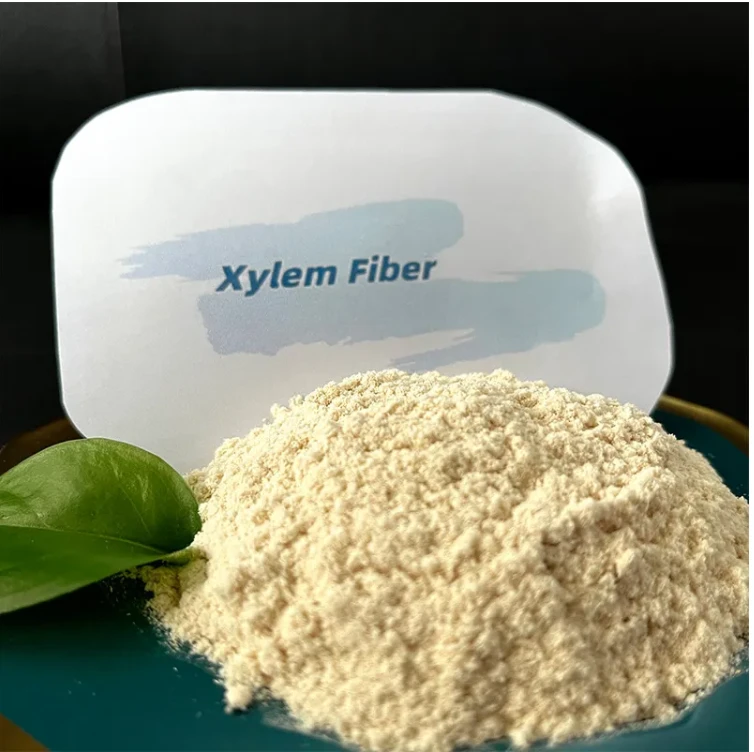
Next-Generation Wood Cellulose & Xylem Fiber: Technology, Industry Trends and Applications HeBei ShengShi HongBang Cellulose Technology CO.,LTD. HeBei ShengShi HongBang Cellulose Technology CO.,LTD. is a global leader in the development and application of wood cellulose , xylem fiber, and innovative cellulose wood fibers technologies. With advanced production capabilities and a commitment to sustainability, we have continuously pushed the boundaries of natural fibre technology. Website: https://www.sshbhpmc.com Tel: +86 13180486930 Email: 13180486930@163.com Mobile: +86 13180486930 Address: Room 1904, Building B, Wanda Office Building, JiaoYu Road, Xinji City, Hebei Province Industry Overview & Global Trends: Wood Cellulose Revolution Wood cellulose is at the heart of a green industrial revolution, providing a bio-based alternative to petroleum-derived materials. Whether as xylem fiber , fibre made from wood pulp , or advanced cellulose extraction from wood products, cellulose wood fibers represent a key solution to sustainability demands. Global wood cellulose demand is forecast to grow at over 6.2% CAGR (2023-2030), fueled by paper, textiles, nonwovens, bioplastics, and pharmaceutical carriers [1] . Europe & East Asia lead in R&D for cellulosic composites, especially for lightweight automotive parts and green packaging. Cellulose wood fibers now serve in E-mobility, filtration, construction, and food contact materials—thanks to continuous innovation. Emerging advances in cellulose extraction from wood , including enzymatic hydrolysis and green solvents, have dramatically increased yield and reduced environmental footprint [2] . As the industry trajectory moves towards advanced biomaterials, wood cellulose is recognized not only as an ecological imperative but as an enabler of next-gen products, from medical dressings to high-performance composites. Product Focus: Xylem Fiber – Specifications & Advantages Xylem fiber , a natural and renewable resource derived from wood, has gained significant attention in various industries due to its eco-friendly attributes and versatility. Developed by HeBei ShengShi HongBang Cellulose Technology CO.,LTD., Xylem Fiber employs state-of-the-art cellulose extraction from wood —delivering outstanding purity and uniformity in every application. Renewable: Harvested from sustainable forestry. Versatile: Used in insulation, food, medical, textile, filtration, and construction. Eco-Efficient: Low carbon footprint, biodegradable. Highly Pure: Exceeds 98.5% cellulose content. Consistent Quality: Strictly monitored particle size and whiteness. ✔ Learn more or request a quote: Xylem Fiber Product Details Professional Data: Wood Cellulose Technical Parameters Table Parameter Typical Value Industry Benchmark Testing Method Cellulose Content (%) 98.5 – 99.2 >97.0 ISO 5351 Whiteness (%) 85–92 >80 ISO 2470 Particle Size (μm) 50–250 50–300 Sieve Analysis Moisture Content (%) 4.5–6.0 <8.0 ISO 287 pH (2% Sol.) 6.0–8.5 6.0–8.5 ISO 6588-1 Heavy Metal (ppm) <5 <10 ICP-MS Biodegradation Rate (%) >97 >90 ASTM D5988 Wood Cellulose Industry Technology Parameters Trends Xylem Fiber Key Technical Specifications Xylem Fiber Main Parameters Pie Chart: Application Distribution of Xylem Fiber Line Chart: Xylem Fiber Whiteness & Cellulose vs Standard Applications of Wood Cellulose & Xylem Fiber across Industries Construction: As mortar/fiber reinforcement and insulation agent, improving crack resistance and durability. Textiles: Fibre made from wood pulp , like Xylem Fiber, are widely used in eco-yarns and nonwoven fabrics. Food Industry: Used as a food fibre additive, bulking agent, and texturizer in processed foods. Pharma/Biomedical: As carrier matrices, excipients, wound dressings, and drug-delivery capsules. Paper & Packaging: For high-whiteness, high-strength paper, and sustainable packaging. Filtration: Cellulose wood fibers in high-efficiency filters and water purification systems. Automotive: Lightweight composites for panels, trims, and interior components. Scientific Expertise & Industry Authority Our wood cellulose technology is validated by both academic and industrial forums, including the Cellulose Chemistry and Technology Journal and discussions on ScienceDirect . Relevant studies underline the environmental safety, material performance, and circular economy benefits of cellulose extraction from wood biomass. As an ISO 9001:2015-certified supplier, HeBei ShengShi HongBang Cellulose Technology CO.,LTD. ensures every batch of wood cellulose and xylem fiber meets global standards for safety, purity, and performance. Long-term partnerships with top universities and biotech research institutes. Continuous investment in R&D, green manufacturing, and digital QC systems. Yearly participation in the International Cellulose Fiber Conference (DFIB - Int’l Cellulose Fibres) . Referenced in recent Tappi Journal papers (TAPPI - Technical Association of the Pulp and Paper Industry) . Professional FAQ: Wood Cellulose and Xylem Fiber Q1. What is the typical chemical composition of wood cellulose ? A: It usually contains 98-99% α-cellulose, less than 0.5% hemicellulose, and minimal lignin, ash, or extractives, ensuring a high purity for industrial applications. Q2. How is xylem fiber different from other cellulose wood fibers? A: Xylem fiber features a higher fraction of crystalline cellulose and improved fiber uniformity, achieved by advanced cellulose extraction from wood processes designed for specialty applications. Q3. What are the key quality standards for fibre made from wood pulp ? A: ISO 5351 (cellulose content), ISO 2470 (whiteness), and ASTM D5988 (biodegradability) are core benchmarks widely adopted. Q4. Can cellulose wood fibers be customized for particle size or dispersibility? A: Yes, at HeBei ShengShi HongBang Cellulose Technology CO.,LTD., we tailor parameters such as particle size (30–300 μm), aspect ratio, and surface charge to meet specific formulation needs. Q5. What is the environmental impact of cellulose extraction from wood ? A: Modern methods use green solvents and enzymatic hydrolysis, reducing emissions by up to 45% compared to traditional pulping, with almost complete biodegradability of residues. Q6. Which installation or usage standards apply to wood cellulose in construction? A: EN 933-1 and ASTM C167 cover fiber dimensions and compressibility in construction and insulation applications; full MSDS documentation is provided with each batch. Q7. What particle size range does Xylem Fiber offer? A: Standard grades are available from 50 to 250 μm, with tight control of distribution to ensure consistent dispersion in end-use formulations. Conclusion: Future of Wood Cellulose – Learn More, Connect with Us With its outstanding sustainability profile, high performance, and regulatory acceptance, wood cellulose underpins the next era of green material innovation. For bespoke solutions or technical support on Xylem Fiber and related products, contact HeBei ShengShi HongBang Cellulose Technology CO.,LTD. : Tel: +86 13180486930 | Email: 13180486930@163.com Website: https://www.sshbhpmc.com Cited from: [1] Cellulose Chemistry and Technology, Vol.52, 2018 [2] ScienceDirect: Wood Cellulose Chemistry [3] Technical Association of the Pulp & Paper Industry (TAPPI) [4] DFIB – International Cellulose Fibres Conference
advantages
-

200000 Viscosities
Excellent product
We can produce pure products up to 200,000 viscosities
-

40000 tons
High yield
We don’t stop production all year round, and the annual output can reach 40,000 tons
-

24 hours
Quality service
We provide 24-hours online reception service, welcome to consult at any time
———— Inquiry Form
Schedule A services

-
 high-performance_environment-friendly_rubber_powder_customized
Oct . 25, 2025
Hydroxymethyl cellulose , often encountered in its more prevalent derivative form hydroxypropyl meth -
 hpmc_dispersion
Oct . 25, 2025
When exploring the landscape of construction materials, HPMC Limited emerges as a pivotal player, re -
 pp_wauzaji_wa_nyuzi
Oct . 25, 2025
HPMC E464, auch bekannt als Hydroxypropylmethylcellulose, ist ein vielseitiges Produkt, das in versc


